Africa -- School-age
Africa
Things to Know
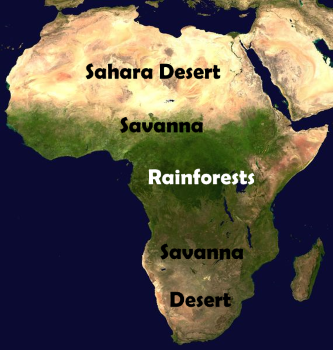
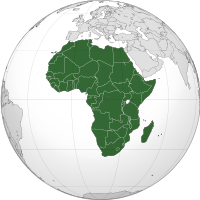
Africa is the second-largest continent on Earth with an area of 12 million square miles. Africa is also the world's second most populous continent with an estimated population in 2016 of 1.2 billion people.
There are over 1000 languages in Africa.
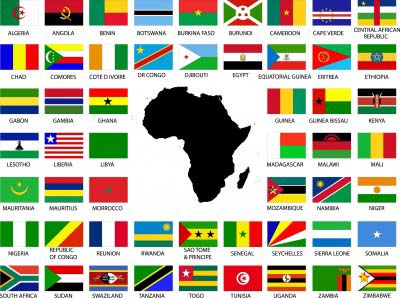
There are 54 independent countries on the continent of Africa.
Animals
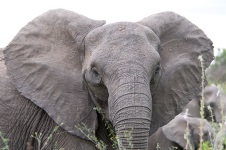
Africa is home to an amazing abundance of wildlife and the largest mammals known to man the Africa elephant.
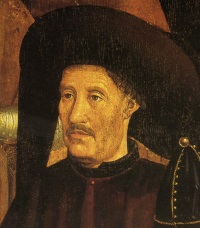 Prince Henry rarely participated in explorations, he sponsored explorations Africa that mapped the coast of west Africa, spread Christianity, established new trade routes for Portugal, and defeated Muslims who were the enemies of the Portuguese.