Gardens -- Preschool & Kindergarten
Gardens

Fingerplays/Songs
A Peanut Sat on a Railroad Track (song)
A peanut sat on a railroad track,
Its heart was all a-flutter.
Engine Nine came down the track,
Toot! Toot! Peanut butter!
Legumes
Art
Climb Right Up
Need: Brown and green construction paper, scissors, markers, glue.
Invite children to cut, tear, and draw pictures of beans, bean sprouts, and bean stalks to decorate under the window in the science area. Encourage children to think about what they might find if they could climb to the top of their bean stalks.
Movement
Grow Like A Bean
Great activity to do after reading the story "Jack and the Beanstalk".
Need: Recording of rhythmic instrumental music.
Can children imagine they are magical, growing beans? Put on the music and encourage them to move their bodies as if they were just sprouting and then growing into strong, tall plants.
Vegetable/Fruit
Learning Centers
Vegetable-Fruit Stand
Set out a variety of plastic fruits and vegetable. Set up a shopping area with carts, cash registers, and play money. Provide a balance scale for children to weigh the produce.
Science
Colored Celery
In clear containers place several celery stalks with leaves. In each container add water and drops of different colors of food coloring. The leaves of the celery should turn colors in a few hours.
Try splitting a celery stalk in half, but do not spit the stalk all the way up to the top. Put one half of the stalk in red water, and the other half in blue water. Watch what happens to the leaves.

Movement
The Big Turnip-Creative Dramatics
After reading the story "The Great Big Enormous Turnip", dramatize the story. Pass out identifying pieces of clothing for each character. Hats work well for people and collars or signs for the animals. Retell the story, letting the children act the story out. Use as many characters as you have children. This would be a good outdoors activity.
The Great Big Enormous Turnip Movement Activity
Pair children and tell them to face each other holding hands. One child, pretending to be the farmer, stands straight. The other child pretending to be a turnip, squats.
The farmers chant:
Grow little turnip,
grow sweet.
Grow little turnip,
grow strong.
I'll pull and pull
and pull and pull,
'Til you pop right
out of the ground.
On the last line, the turnip pops up and the farmer squats down. Let children change partners after each round.
Potatoes
Science
Sweet Potato Plants
Help children insert 3 to 4 toothpicks horizontally around the middle of a sweet potato. Then balance the toothpicks on the rims of glass jars and add enough water to cover the bottom parts of their potatoes.
Keep water filled to this level. In about 2 weeks vines will begin to sprout and the children will have sweet potato plants.
Movement
Potato Hop
Cut ten large potato shapes from brown construction paper and number them from 1 to 10. Tape the shapes to the floor in from number 1 to 10. Let the children take turns hopping from one potato to the next as everyone chants the rhyme below.
One potato, two potato,
Three potato, four,
Five potato, six potato,
Seven potato, more,
Eight potato, nine potato,
Here is ten.
Now let's start all over again.
Watermelon
Art
Watermelon Art
Give each child a green construction paper circle and a red construction paper circle (slightly smaller). Have the children glue the red circle onto the green circle. Then have the children glue watermelon seeds or black paper punch circles all over their red circles.
Use the recipe"The Best Cooked Play Dough" and add watermelon flavored kool-aid or jello.
Science/Math
Sink or Float
Have students predict whether or not the watermelon will float in a tub of water. Record predictions and then place the watermelon in the tub of water.
Weight
Have each student lift the watermelon and estimate how much it weighs. Write down the estimates and check with a scale.
How Many Seeds?
Have each student estimate the number of seeds in the watermelon. Write down predictions. After the watermelon is cut and eaten, be sure to save all the seeds. In groups have the children place 10 seeds in a cup. Then gather the cups and place the "tens" into hundreds and figure out the final total of seeds.
Planting Watermelon Seeds
Have children plant watermelon seeds in egg cartons, small cups, or small milk cartons; use potting soil.
See Also
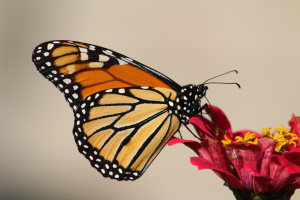
A Tribute to the Monarch Butterfly: How to Turn Your Backyard Into a Butterfly Sanctuary